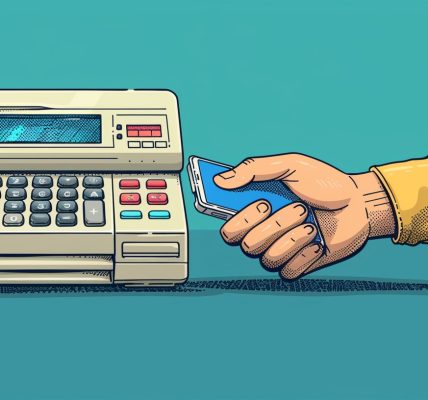

Sending crypto should feel as simple as sending a text. Yet one wrong network, a confusing approval, or a lost recovery phrase can still turn a routine transfer into a headache. Even someone used to navigating stocks, currencies, and crypto through a broker like RoboForex can get tripped up by a basic wallet transfer.
Wallet makers are finally tackling the moments that put people off. A cleaner home screen is only the start. Better warnings before you sign, a clear view of assets across chains, and fewer steps to make a payment are what actually make a difference.
Enhanced security that helps before you tap
A fingerprint unlock is convenient, but it won’t catch a fake website asking for permission to drain your tokens. That’s why wallet security is moving closer to the point of action. Transaction previews show what may leave your account.
Phishing warnings flag suspicious sites and token approvals before you sign.
Some wallets use multi-party computation (MPC) to split signing across separate devices or services. Smart accounts can set spending limits, require extra approval for large transfers, and offer safer recovery options.
Hardware wallets matter for protecting high-value holdings because keys stay off an internet-connected phone or laptop.
None of these tools makes a bad signature safe. Previews can miss sophisticated scams, and recovery is only as strong as its setup.
Check the address and the permission a contract wants. Security that explains risk in plain English beats another mystery popup.
User-friendly wallets that feel familiar
Ever installed a wallet, then wondered why it needs twelve words written on paper? Passkeys and embedded wallets cut out some of that friction. A face scan may be all you need to get started.

Some wallets also help you get back in if you lose your phone.
The setup matters: some wallets hold keys for you; others keep you in control.
Smart accounts can bundle several steps into one approval. On supported networks, an app may cover the transaction fee or let people pay it with a token they already own. That means fewer interruptions and less hunting for spare crypto to pay gas.
Good design does the rest. Clear balances, readable fees, human-friendly names, and honest warnings help people make decisions. No one should have to decode a contract call to send a few dollars.
Multi-currency support without the tab overload
Holding Bitcoin, Ether, Solana tokens, and stablecoins often means dealing with different addresses and networks. Multichain wallets bring those assets into one view, with balances and activity grouped by account. Some wallets show NFTs and digital credentials in the same account view.
Cross-chain routes can make moving funds between networks easier. Instead of making you bridge, switch chains, and then swap, some apps combine those steps. Fees, price impact and timing still vary, so a single tap should never hide the cost.
Stablecoins make this especially useful. People want to pay a freelancer, move money abroad, or keep dollar-linked funds ready for trading. Wallets that simplify sending, receiving and checking network details help crypto serve everyday needs.
Some payments call for ID checks. A good wallet should say why and which data it shares.
DeFi access with fewer clicks and clearer risks
Trading, staking, and lending are moving closer to the wallet home screen. Built-in swaps, portfolio views, and connections to decentralized apps (dApps) save users from jumping across tabs. For experienced users, that means faster moves.
For newcomers, it means fewer chances to make a mistake. Staking and lending carry risks, from price swings to bugs in smart contracts.
AI tools are showing up too. Some flag odd activity; others place trades within spend limits and a list of apps you trust. Those limits matter.
An agent should never get unlimited access just because it can spot a trade.
The real test is trust. Wallets need to show what you’re signing, who controls recovery, and which service takes a fee. The ones worth keeping make complex tasks feel clear and manageable without hiding the risks.